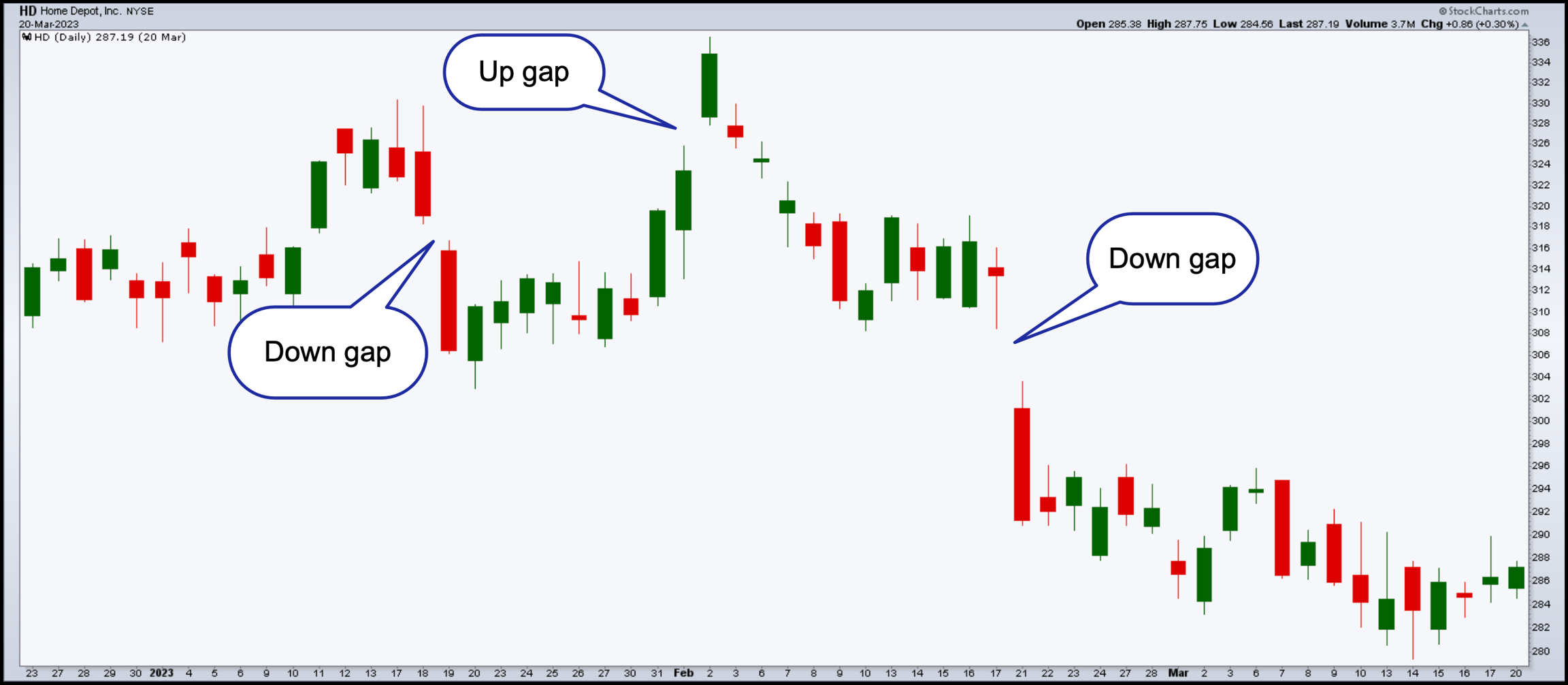
Since the US/Israel-Iran war began, a good deal of what has moved the KSE-100 has happened while the exchange was closed. The market learns of it the way one learns of a meeting one was not invited to: afterwards, in a single announcement, with the outcome already settled. That announcement is the overnight gap, and it hurts investors in three ways. A stop-loss sells at the next available price, which after a gap is whatever the market offers. A hedge cannot be placed in a market that is shut. And a leveraged position can breach its limit at a price that never traded while you were awake.
It began over the weekend before Monday 2 March 2026. The KSE-100 had closed on Friday at 168,062. It opened on Monday at 152,717, down 9.13%. About 95% of the day’s fall was complete before the market opened. Investors who spent the weekend on diligent research found the research, in the circumstances, beside the point. It was not the first lesson. In May 2025, during the Pakistan-India war, the index opened 5.78% lower on 7 May and 9.26% higher on 12 May. Think of it as a refresher course. Nobody was asked to enroll.
We compared the 174 sessions since 2 March with the 332 before. On the raw count, the share of sessions with a gap is unchanged: about two in three opened at least 0.20% from the previous close, both before the US/Israel-Iran war (67.5%) and since (67.8%). What changed is their size and direction. Gaps of 1% or more rose from 5.1% of sessions to 14.4%, and gap-downs from 5.4% of gaps to 29.7%. The traditional consolation, that the market retraces a gap by the close, is being discontinued: 53.6% were filled the same day before, 39.0% since.
The figure that matters is when the damage arrives. Before the US/Israel-Iran war, 9.8% of the index’s total downside accrued overnight. Since, 34.8%. A third of the losses now occur while the investor is, by the exchange’s timetable, absent. The first 24 sessions were the worst (average gap 1.51% against 0.51?terwards), but large gaps remain more than twice as frequent as before, with or without May 2025 in the comparison.
So the investor’s lament is correct, which is the uncomfortable part of any analysis: so much is out of your hands. What remains in them is the size of the position you carry past the close. Choose it as if you will not be consulted. You will not be.
This article is for information and education only and is not investment advice, a recommendation or an offer to buy or sell any security.